

How to Know When Your Roof Needs Replacing: 7 Warning Signs
Your roof is one of those things you probably don’t think about until something goes wrong. And by “something goes wrong,” we usually mean water dripping onto your kitchen table during a thunderstorm. The good news? Most roofs give you plenty of advance warning before they fail completely. You just have to know what to look for.
Whether your roof is approaching the two-decade mark or you’ve noticed a few things that don’t look quite right, this guide will walk you through the seven most common signs that it’s time for a replacement — and help you figure out when you can handle the assessment yourself versus when it’s time to call in a pro.
1. Cracked, Curling, or Buckling Shingles
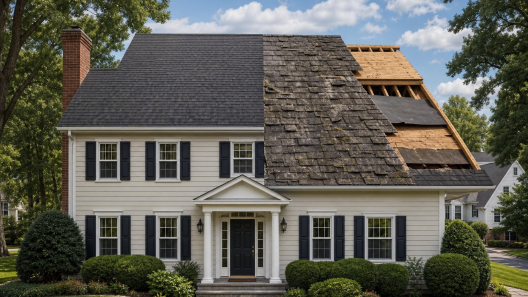
This is often the first visible sign that your roof is aging out. Healthy asphalt shingles lie flat against the roof deck. When they start to fail, you’ll notice the edges curling upward (called “cupping”) or the middle section pushing up while the edges stay down (called “clawing”). Both patterns mean the shingles have lost their flexibility and are no longer providing a reliable moisture barrier.
Cracking is another red flag. A few cracked shingles in an isolated area might just need a spot repair, but if you’re seeing cracks across multiple sections of your roof, the material has reached the end of its useful life. Wind, UV exposure, and repeated freeze-thaw cycles all accelerate this kind of deterioration.
What to do: You can spot curling and cracking from the ground with a pair of binoculars. If more than about 30% of your shingles show these symptoms, you’re likely looking at a full replacement rather than a patch job.
2. Granule Loss in Your Gutters
Those tiny, sand-like granules embedded in asphalt shingles aren’t just decorative — they’re the shingle’s primary defense against UV radiation. When granules start washing off in significant quantities, the underlying asphalt layer is exposed to direct sunlight, which dramatically accelerates aging.
Check your gutters and downspout discharge areas after a heavy rain. A small amount of granule loss is normal, especially on newer roofs that shed excess granules from manufacturing. But if you’re consistently finding piles of granules — or if you can see dark, bare patches on your shingles where the granules have worn away — that’s a serious concern.
According to the GAF roofing resource library, excessive granule loss is one of the most reliable indicators that shingles have passed their effective lifespan, even if they still appear intact from a distance.
3. A Sagging Roof Deck
This one is urgent. A sagging roofline — where the ridge or a section of the roof appears to dip or bow — usually means there’s a structural problem beneath the shingles. The most common cause is prolonged moisture damage to the roof decking (the plywood or OSB sheathing underneath your shingles), but it can also indicate issues with the rafters or trusses themselves.
Stand across the street from your home and look at your roofline. It should be straight and even. Any visible sag, dip, or waviness warrants an immediate professional inspection. This isn’t a “wait and see” situation — a compromised roof deck can lead to a partial or full collapse under heavy snow or wind loads.
What to do: Do not attempt to walk on a sagging roof. Call a licensed roofing contractor or structural engineer right away. If the sagging is severe, contact your local building department as well.
4. Active Leaks or Water Stains
Water stains on your ceiling or walls are obvious signs of a roof problem, but not every leak means you need a full replacement. A single leak around a plumbing vent or chimney flashing might be a straightforward repair. However, multiple leaks in different areas of your home — or leaks that keep recurring after repairs — usually point to widespread roof failure.
Head up to your attic with a flashlight on a sunny day. Look for any points where daylight is visible through the roof boards (more on that in sign #7). Also check for dark stains, streaks, or any areas where the wood looks damp or discolored. Moisture in the attic can lead to mold growth, which creates a whole separate set of health and structural problems.
If you’re dealing with water intrusion, it’s also worth checking whether your gutters and drainage system are functioning properly. Clogged or damaged gutters can cause water to back up under the roof edge, mimicking the symptoms of a failing roof.
5. Your Roof Is 20+ Years Old
Age alone doesn’t automatically mean your roof needs replacing, but it’s the single most important factor to consider alongside everything else on this list. Standard three-tab asphalt shingles typically last 15 to 20 years. Architectural (dimensional) shingles can last 25 to 30 years. Premium shingles from manufacturers like GAF or CertainTeed may carry warranties up to 50 years, though real-world performance depends heavily on climate, ventilation, and installation quality.
If you don’t know how old your roof is, check your home inspection report from when you purchased the property, or look for building permits on file with your local government. You can also sometimes estimate age by the style and condition of the shingles — a roofing contractor can usually give you a ballpark figure during an inspection.
Once your roof passes the 20-year mark, it’s wise to have it inspected every one to two years, even if everything looks fine from the ground. Small problems caught early can sometimes extend the roof’s life by several years, saving you money in the long run.
6. Moss, Algae, or Fungal Growth
Green moss or dark streaks of algae on your roof might look like a cosmetic issue, but they can signal — and cause — real damage. Moss holds moisture against the shingle surface, which accelerates deterioration and can work its way under shingle edges, lifting them and creating entry points for water. Algae (those dark streaks you see on roofs in humid climates) is less structurally damaging but indicates persistent moisture conditions that aren’t great for long-term roof health.
In some cases, moss and algae can be treated and removed without replacing the roof. A professional roof cleaning — not pressure washing, which can strip granules — combined with zinc or copper strips along the ridge can help prevent regrowth. But if the growth is extensive and the shingles underneath are already compromised, cleaning won’t solve the underlying problem.
Homes in the Pacific Northwest, Southeast, and other humid regions are especially prone to biological growth. If you live in one of these areas, regular roof maintenance is particularly important. The U.S. Department of Energy notes that algae-resistant shingles are now available from most major manufacturers and can be a smart choice when it’s time to replace.
7. Daylight Visible Through the Roof Boards
This is the attic test that every homeowner should do at least once a year. On a bright day, turn off any lights in your attic and look up at the underside of the roof. If you can see pinpoints of daylight coming through, that means there are gaps or holes in your roof covering. Where light gets in, water gets in.
Small, isolated points of light might correspond to nail pops or minor damage that can be repaired. But widespread light penetration — especially if accompanied by any of the other signs on this list — is a strong indicator that the roof system has failed and needs to be replaced.
While you’re up there, also check the condition of the insulation. Wet, compressed, or discolored insulation suggests that water has been getting in for a while, even if you haven’t noticed leaks inside the living space yet.
DIY Assessment vs. Professional Inspection: When to Call a Pro
You can handle a surprising amount of roof assessment from the ground and your attic. Here’s a quick breakdown of what you can safely evaluate yourself and when it’s time to bring in a professional:
What You Can Check Yourself
- Visible shingle damage from the ground (use binoculars)
- Granule accumulation in gutters
- Roofline straightness from across the street
- Attic inspection for daylight, stains, and moisture
- Gutter and downspout condition
- Age of the roof based on records
When to Call a Professional
- Any visible sagging in the roofline
- Multiple or recurring leaks
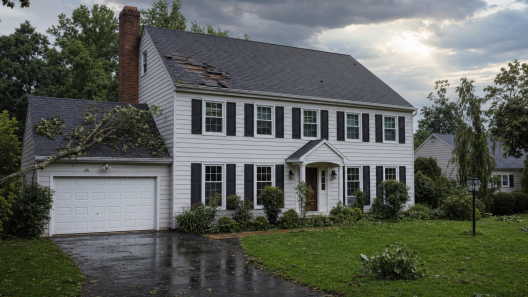
- After a major storm (hail, high winds, fallen branches)
- If your roof is over 20 years old and you haven’t had it inspected recently
- Before buying or selling a home
- If you’re uncomfortable or unable to safely access your attic
When you do hire an inspector, look for a contractor who holds manufacturer certifications. GAF-certified contractors, for example, have completed specific training on proper installation techniques and can identify issues that a general handyman might miss. Many certified contractors offer free or low-cost inspections, especially if you’re considering a replacement.
Don’t Wait for the Drip
The biggest mistake homeowners make with their roof is waiting too long. A failing roof doesn’t just mean shingle replacement — if water damage reaches the decking, fascia, or interior framing, your costs can multiply quickly. What might have been a $10,000 roof replacement can turn into a $20,000+ project once you factor in structural repairs, mold remediation, and damaged insulation.
If you’ve noticed two or more of the warning signs above, it’s worth getting a professional opinion sooner rather than later. And if you’re planning to replace your roof, take the time to research your options — the roofing section of our site covers everything from material comparisons to choosing the right contractor for your project.
Your roof protects everything underneath it. Give it the attention it deserves before it demands it.