

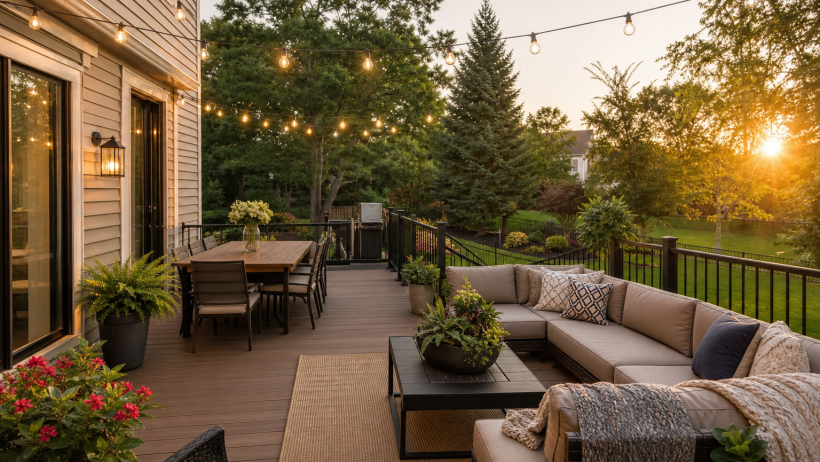

A new deck installation can change the way you live your life, and make your backyard into an outdoor living room for cookouts, early mornings, and summer evenings. However, it is good to know what really goes into the project before you begin to envision the railing style; the materials, permits, costs, and questions that can make the difference between a deck that lasts decades and one that sags in a couple years. Here are some facts that Northern Virginia homeowners need to know prior to any digging.
Begin by thinking about How You’ll Use the Space.
Great designs for decks start with a vision of everyday living. Before discussing the type of material or budget, consider the use of the space:
- Will you have big events or will this just be a peaceful getaway for a couple?
- What do you want included: seating, pergola or outdoor kitchen?
- Where do the deck steps lead to your house’s door and to the slope of your yard?
- Need privacy from neighbors or shade from the afternoon sun?
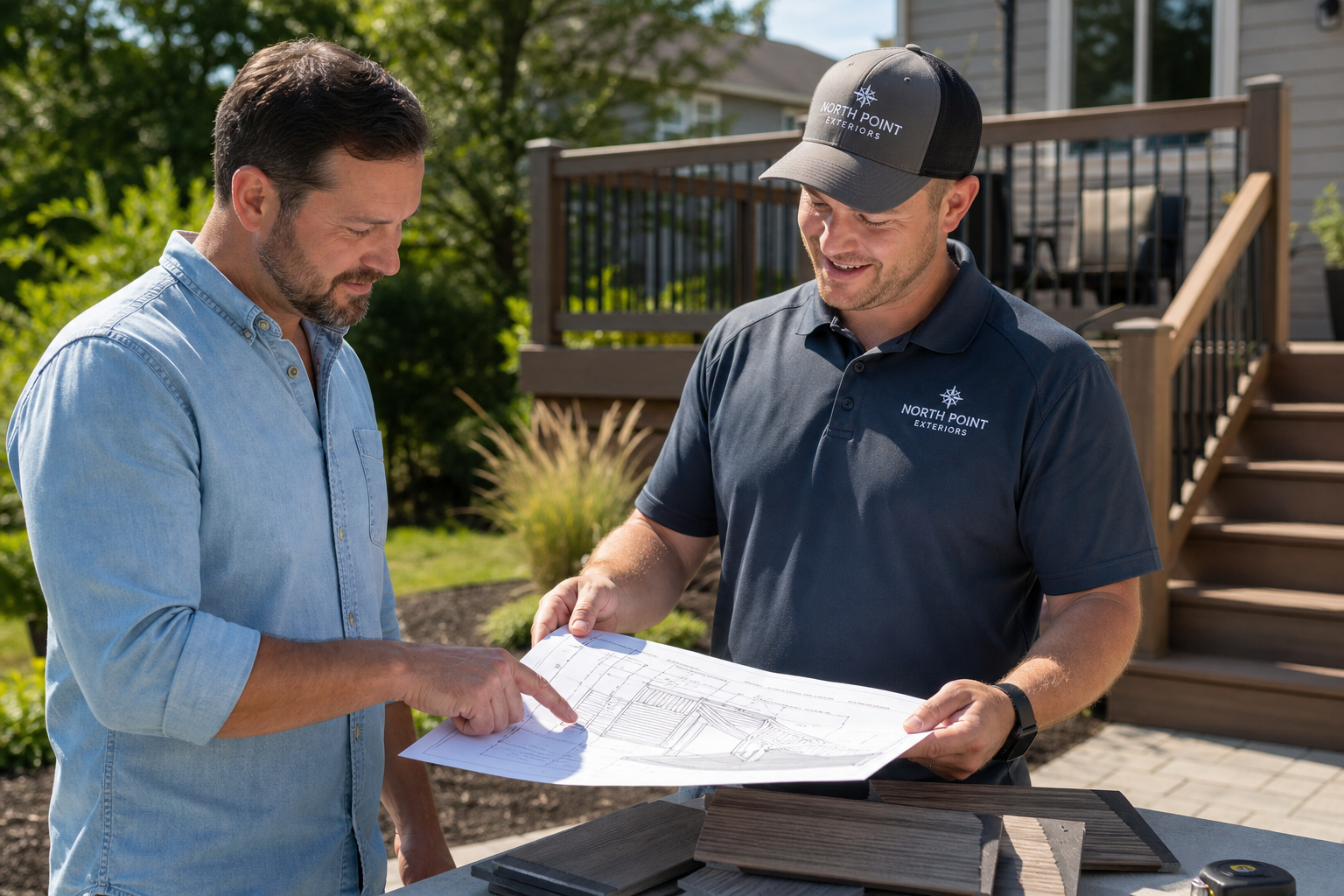
An early answer will determine the scale, form, and features, and will help your contractor help you create something that you will use, instead of a rectangle.
Choosing Your Decking Material
The selection of materials contributes to the appearance and maintenance of your deck. Wood or composite are the two most popular choices.
- Pressure treated wood is the most affordable and most readily available. It is beautiful at first but needs to be sealed, stained and maintained periodically to withstand the sun and humidity of Virginia.
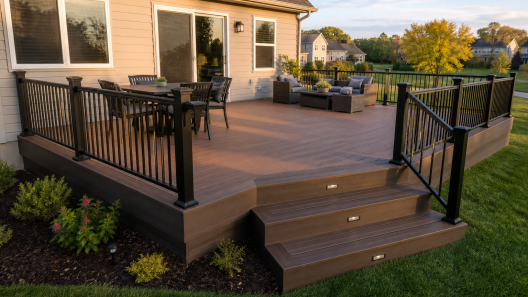
- While composite decking is an initial investment that may be higher than other types of decks, it is resistant to fading, staining, and rotting and requires very little maintenance besides occasional cleaning. A composite deck installation can end up saving many homeowners money on maintenance down the road.
- Natural beauty and durability, at a premium price, is provided by cedar and tropical hardwoods.
- PVC and capped composite options are most weather resistant and warrant the longest warranties.
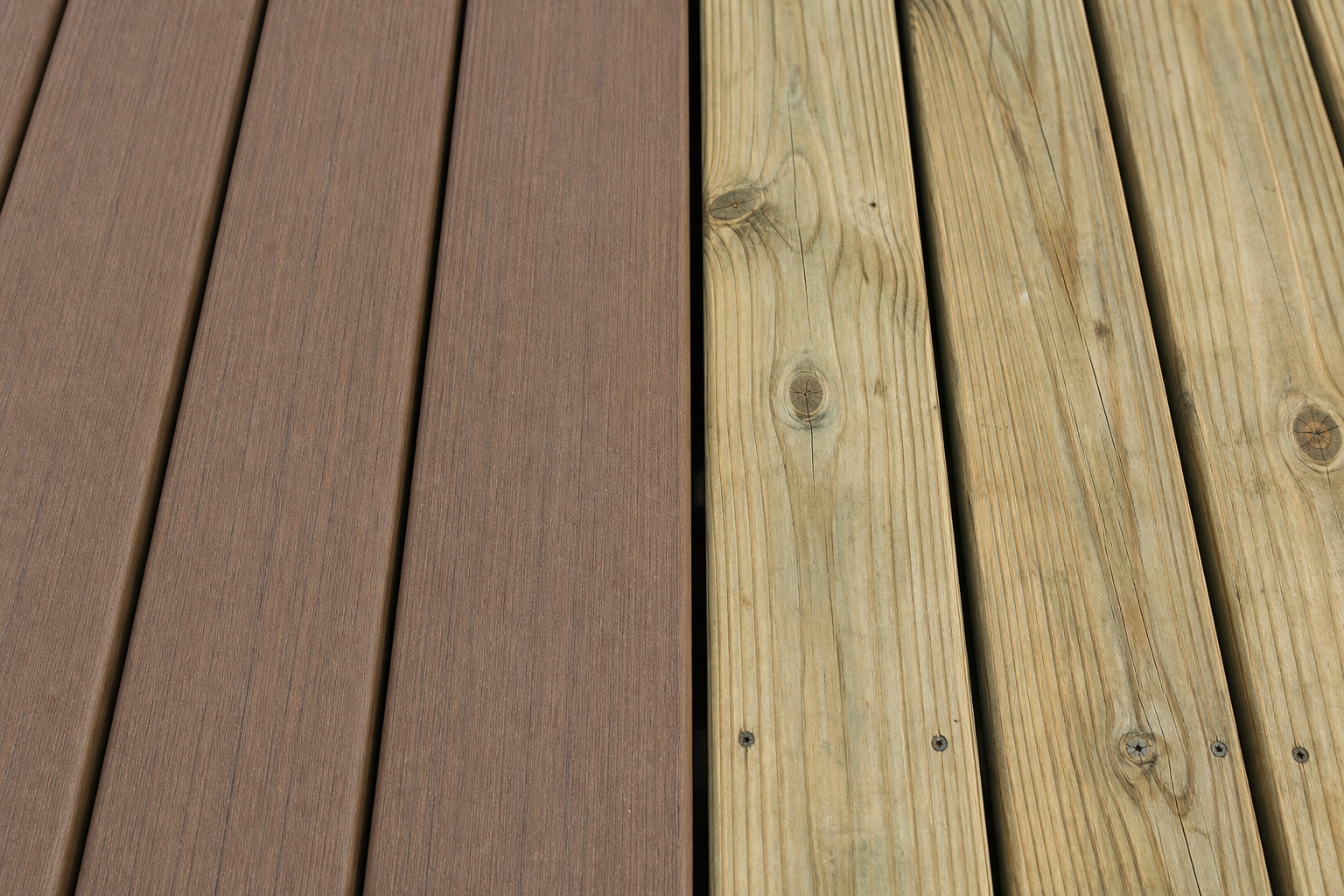
For those who are intimidated by the need to have to get re-stained each year, composite can be a much higher up-front cost that can pay off. Pressure treated wood is still a good choice if budget is the only concern and maintenance is not an issue.
Need a Permit?
For most jurisdictions in Northern Virginia, the answer will be yes. Most decks will need to be inspected and a building permit if it is attached to an existing residence or of a specific height. Your deck building permit is what makes your deck safe as it provides the necessary guidance on how to build your deck to code. A good contractor will take care of the permit process for you, which includes pulling the permit and scheduling inspections as part of the job. When a builder offers to forego a permit, be wary; unpermitted work can pose issues at time of sale or refinancing.
How Much Does a New Deck Installation Cost?
The cost of deck installation can be highly variable, depending on the materials, size and complexity of the design. The general rule of thumb is that most homeowners spend between $15 and $60 per square foot installed, which can add up to several thousand dollars for a mid-size deck. Major cost factors are:
- Size and height — bigger and higher decks require more materials and structure support.
- Material — the difference in price is between composite and PVC, which are more expensive than pressure treated wood.
- Features: built-in benches, lighting, pergolas and stairs are all included in the total.
- The site — sloped yards, rocky soil, and difficult access — add to the labor cost.
- Railing and fascia – high quality railings can be a big item on the bill.
When evaluating bids, ask each quote to include the type of framing material, the brand of decking, the type of railing and if permits and cleanups will be included. Standards are set by the International Code Council and a good builder will plan your deck to comply with these standards.
The importance of hiring the right builder can be easily understood.
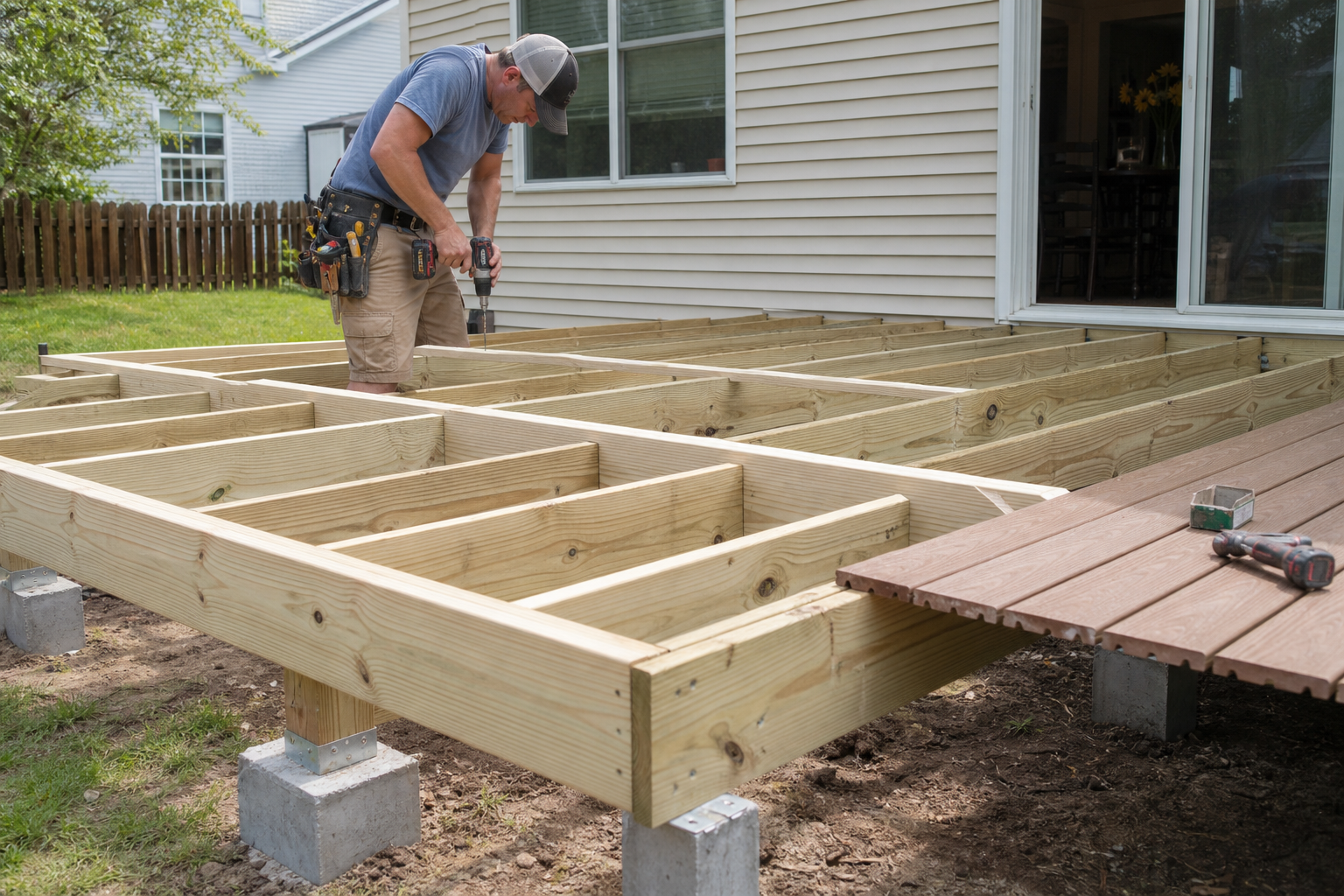
A deck is not only a surface; it’s a project. Footings need to be the right depth, ledger boards need to be flashed and secured to the house appropriately, and railings need to be of the correct height and strength. One of the main reasons for failures of decks is poor framing or improper attachment. Select a licensed and insured contractor that offers a written contract, timeline, references and workmanship warranties. Request to view images of their recent work in the area so you can see what their work really looks like.
Frequently Asked Questions
What is the installation time for a new deck?
The time it takes to finish most residential decks depends on the size, weather conditions and complexity of the project – and usually takes about 1 to 2 weeks.
Which is better, composite or wood?
Wood is less expensive to start with but more maintenance is required for it while composite will be more expensive at the start but less maintenance is required.
What’s the lifespan of a deck?
Pressure treated decks can last 15 to 20 years, while high-quality composite decks can last a lifetime of 25 to 30 years or more.
What is the optimal time for deck construction?
The best time of year is usually spring and early fall, but sometimes off-season scheduling may result in a shorter turnaround.
Looking to Create Your Own Outdoor Space?
The addition of a new deck can make your home more valuable, livable and attractive as long as it is planned with care and constructed up to code. Once you are ready to get started, sketch your desired space usage, and then request a design consultation and detailed written estimate.
[…] Not sure which way to go? Our detailed composite vs. wood decking comparison weighs the long-term costs, and if you’re just getting started, read what to know before a new deck installation. […]